
English| USD
Suggested for you
More currencies
Choose a language
Etyek lies west of Budapest, a village of whitewashed press houses along a limestone ridge where small growers still bottle their own Chardonnay. Travellers weighing a day here ask one thing first: are wine tours worth it when the region itself charges nothing to enter? This page sets out what a booked cellar visit adds, and what it does not.
Quick answer
For most visitors, yes, provided the tour is booked with a specific cellar. Entry to the Etyek wine region is free (0 HUF), so the payment buys guided access, poured tastings and someone to explain what is in the glass. Independent walkers can still see the hill; they simply cannot taste without arranging visits. Arrive between 08:00 and 14:00.
Etyek spent most of the twentieth century as a supplier rather than a destination. Its base wines travelled down to the cellars of Budafok and returned to the market as sparkling wine, while the village name seldom reached a label. That shifted from the 1990s onward, as growers began bottling under their own names and opening the press houses along the Öreghegy. The hill is now a row of low whitewashed buildings, most of them family-run, most of them holding a few hundred bottles rather than a few thousand. Travellers weighing a day here ask the same thing before they set out: are wine tours worth it in the Etyek-Buda wine district? The practical situation is unusual. The region itself is open ground, and entry to it costs nothing. The wine, however, sits behind private doors. A press house is a working building, not a shop with a counter, and many producers pour only by appointment. A cellar that looks closed on a weekday afternoon may simply be waiting for a booking. That is the gap a guided visit fills. It turns a scenic ridge of vineyards into a sequence of poured glasses: Chardonnay and Sauvignon Blanc off the limestone slopes, often a pezsgő, served by the vintner who made it. Locally the format is advertised as etyeki borturák, and it also solves the driving problem that no amount of planning removes for a group intending to taste. The answer depends on the traveller more than on the region. Anyone who wants landscape, a look at the film lots of Korda Studios, a walk between cellar doors and lunch on a terrace can plan that alone and pay nothing to be present. Anyone who wants to taste widely, hear how a vintner read a difficult harvest, and compare a young Chardonnay against one with some age on it will take more from a structured Etyek wine tour than from an unaccompanied attempt. Booked groups also reach the smaller estates that keep no posted hours and answer no doorbell. For a first visit from Budapest, the question — are wine tours worth it — usually resolves on that single point: the fee buys access and commentary rather than admission, because admission was never the barrier. What follows on this page covers scheduling, budget, transport and the practical detail that turns the decision into a plan.
“The fee buys access and commentary rather than admission, because admission was never the barrier.”
The value of a wine tour is maximized by arriving within the 08:00–14:00 window, which ensures personalized service and allows visitors to avoid peak afternoon crowds. Planning your visit during these hours provides the most consistent access to winery staff and facilities.
Mild temperatures (15°C–20°C)
Vineyards are active and the weather is suitable for walking between cellars.
Warm temperatures (25°C+)
Late afternoon arrivals often experience peak congestion at popular tasting locations.
Cooler temperatures (12°C–18°C)
This period offers a view of the harvest season and maintains manageable visitor volume.
—
Arriving during this window ensures the most direct interaction with winery hosts.
Verdict: The best experience is found by arriving Tuesday to Thursday between 08:00 and 14:00 during the months of April or October.
Access to the Etyek wine region is free of charge, as there is no central admission fee. Costs are instead determined by the specific tasting flights, cellar tours, or private services provided by individual wineries.
Verdict: Visitors pay zero for regional entry, with total costs depending entirely on the number of wineries visited and the specific tasting packages selected.
The Etyek Wine Region welcomes visitors throughout the week with consistent daily operating hours. Operations conclude earlier on Sundays compared to the rest of the week.
Etyek is located approximately 30 kilometers west of Budapest, making it accessible via regional bus services or private transport. Travelers typically arrive from Budapest Kelenföld station or the city center to reach the region.
Volánbusz line 1251 or 1253 from Budapest, Kelenföld autóbusz-állomás to Etyek, autóbusz-forduló
M1 motorway toward Etyek/Bicske, then road 8106
Direct transfer from Budapest city center
If arriving by car, aim to park near the central wine cellar rows where most producers are concentrated. Using the regional bus requires a short walk from the Etyek, autóbusz-forduló stop to the main winery areas.
Tailoring your approach ensures the Etyek region matches your personal interest in viticulture rather than just general sightseeing.
Identify if you prefer Etyek's signature sparkling wines or still whites like Chardonnay and Sauvignon Blanc before selecting which producers to contact. This focus allows for deeper conversations with winery staff about specific production methods.
The Etyek region features compact clusters of cellars that are often best explored on foot. Walking helps you appreciate the local topography and connects you more directly to the landscape than driving between stops.
Visiting producers mid-week or earlier in the day often grants you direct access to the winemakers themselves. You receive more technical insights into the harvest and pressing processes when the staff is not managing busy weekend crowds.
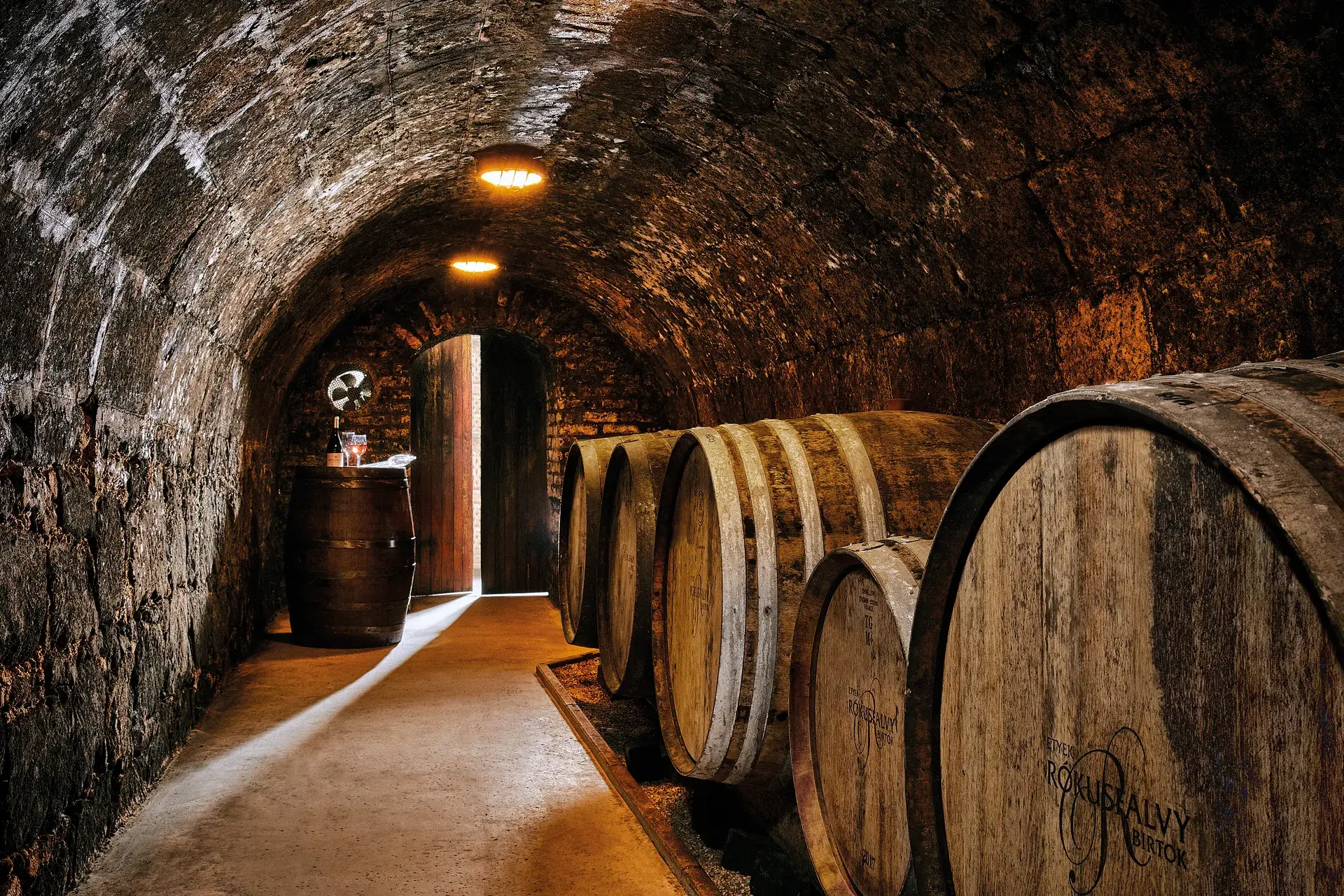
Ask hosts about the history and structural function of their specific cellars. Many Etyek cellars are built into hillsides with unique thermal properties that directly influence the aging process of their wines.
If visiting during autumn, inquire about active harvest activities at the wineries. Observing these seasonal operations provides context on how the region manages grape intake and primary fermentation.
Everything you need to know about are wine tours worth it
Determining if are wine tours worth it depends on your interest in local viticulture, as the region offers an authentic look at Hungarian winemaking traditions. While the area is free to enter, individual wineries set their own fees for guided sessions and tastings. Visitors often find the educational aspect and connection to the landscape provide high value.
Deciding if an Etyek wine tasting experience aligns with your plans involves considering your interest in artisanal cellar door production. You can easily plan your own visit to these historic estates to explore the vineyards at your own pace. Many travelers discover that the personal stories shared by local producers justify the time spent.
Since the region is located near Budapest, are wine tours worth it for those on a tight schedule is a common inquiry. The proximity allows for quick trips where you can enjoy a focused tasting without committing to an entire day of travel. Staying within the recommended arrival window helps you maximize your short visit.
The unique charm of Etyek lies in its preserved cellars and traditional methods, which lead many to ask if are wine tours worth it. Engaging with the winemakers provides deep insight into the regional terroir and grape varieties like Chardonnay and Pinot Noir. This intimate setting offers a richer experience than standard commercial vineyard visits.
Even for non-drinkers, the scenic cellar rows and peaceful atmosphere make the region a compelling destination. You can appreciate the architecture and historical significance of the wine cellars without participating in tastings. Many guests find the cultural immersion and rural scenery make the trip worthwhile regardless of alcohol consumption.
Navigating the region is straightforward, but it is wise to arrange transport in advance to ensure a smooth visit. Wineries are generally open throughout the week, though checking specific availability helps avoid disappointment. Following the suggested arrival window of 08:00 to 14:00 is the most effective way to manage your day.
Weekend visits offer a lively atmosphere, though it is natural to wonder if are wine tours worth it when crowds are higher. Wineries are open on Saturdays and Sundays, providing plenty of opportunities to experience the local hospitality. Arriving earlier in the day is recommended to enjoy a more relaxed environment before the afternoon visitors arrive.